
Hear from real people with TD
Some people with TD recall not noticing their
movements until
family members
pointed them out.

for Tardive Dyskinesia in Adults
TD is a movement disorder that involves repetitive and uncontrollable body movements.
Long-term and even short-term use of certain prescription medications used to treat mental health or gastrointestinal conditions can cause TD. In fact, TD can even develop after these medications are stopped, changed, or their dose is reduced. TD is more than a side effect of these medications—it’s a real condition with its own diagnosis and treatment plan.
The uncontrollable movements appear as twitching, shaking, or jerking in the face, arms, legs, and trunk and may be described as:
Movements like these are the visible signs of TD, but the impact of TD is more than physical. Uncontrollable movements can affect a person emotionally, socially, professionally, and in other aspects of their life.
It’s possible to stay on your mental health medication and treat TD at the same time
Once-daily AUSTEDO XR contains the same active ingredient as twice-daily AUSTEDO® (deutetrabenazine) tablets. Data on this page is based on twice-daily dosing.
Healthcare providers don’t always see or ask about uncontrollable movements, which is why it’s important to share what
you’re experiencing during your appointment. Watch these videos to see what symptoms can look like.
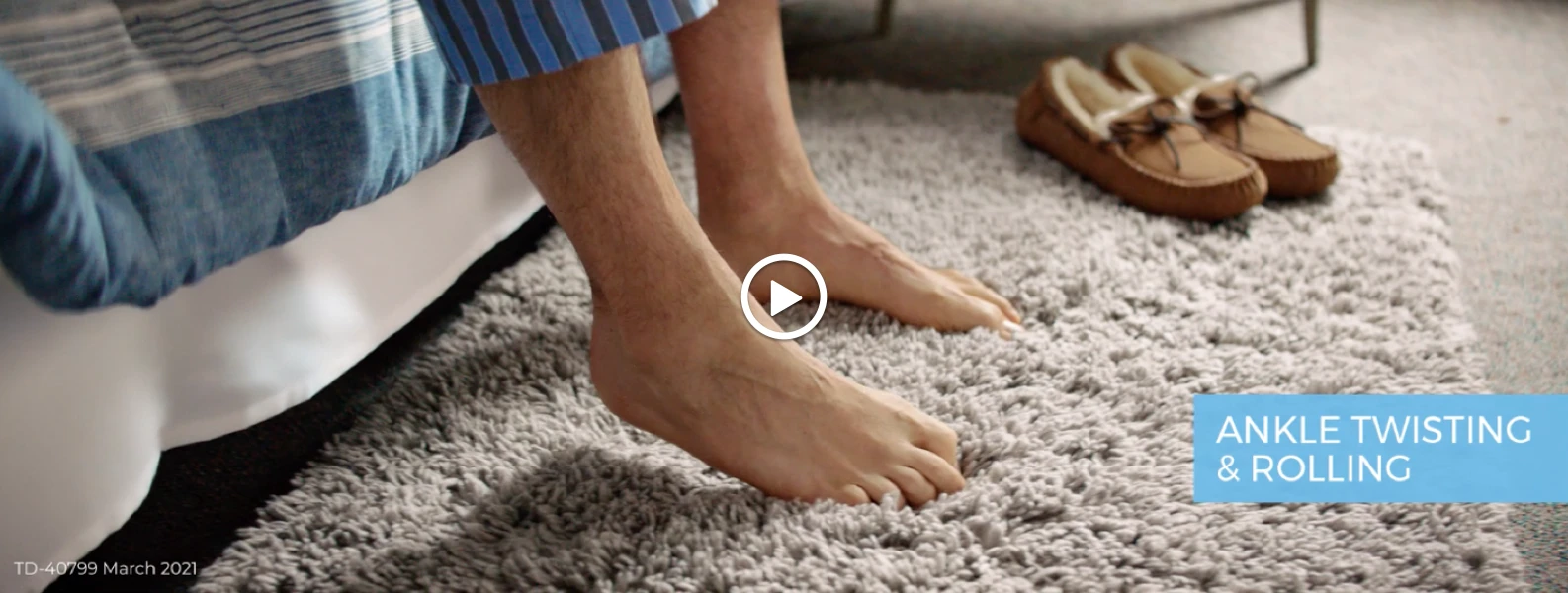
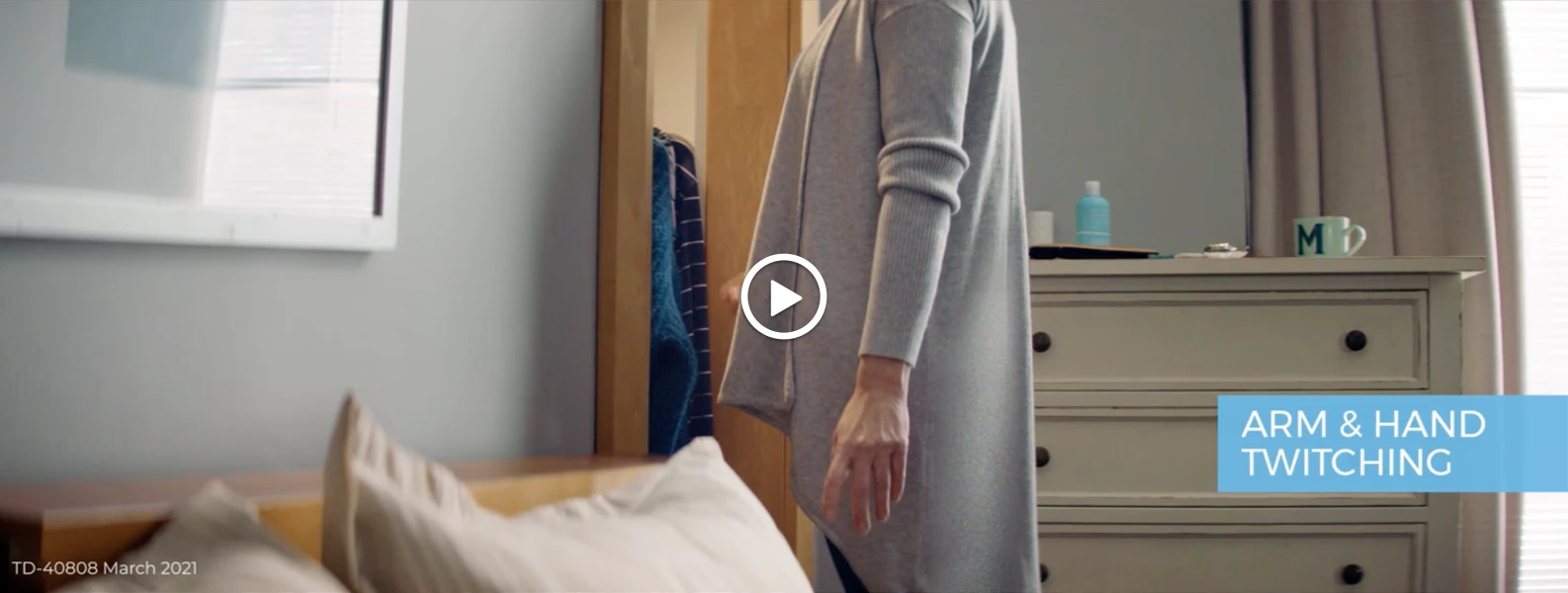
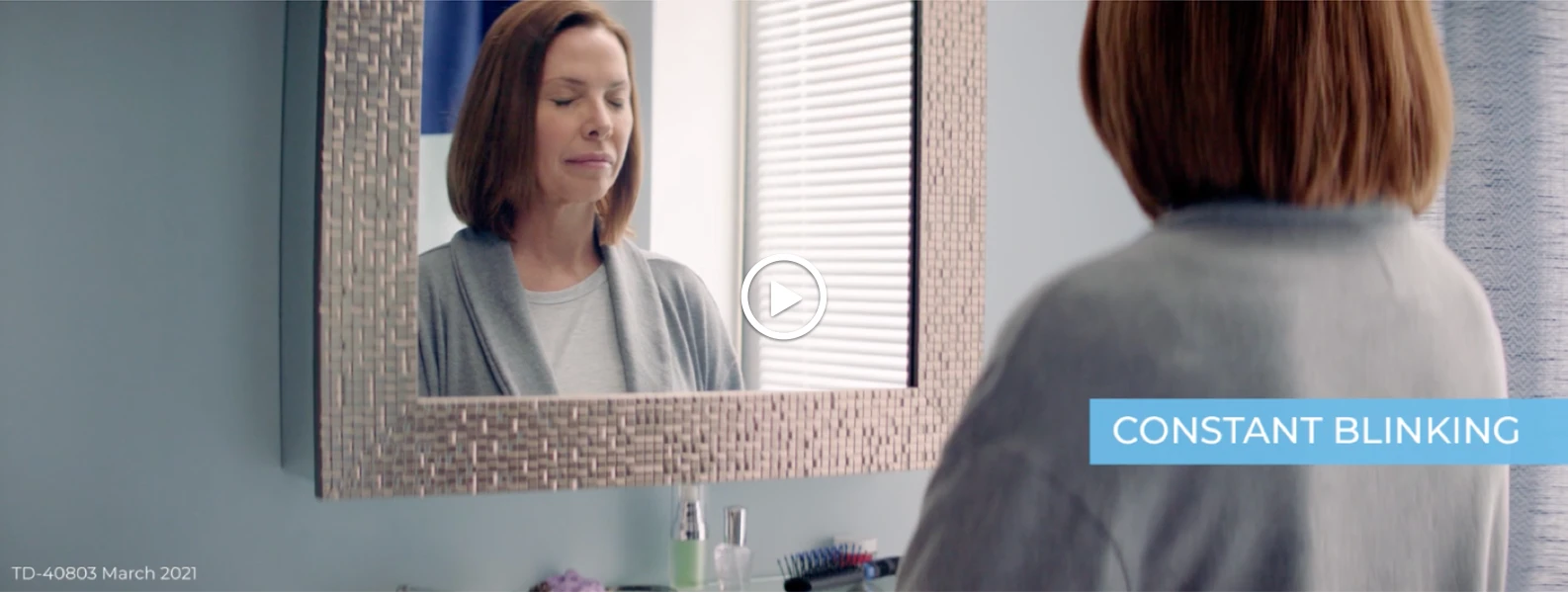
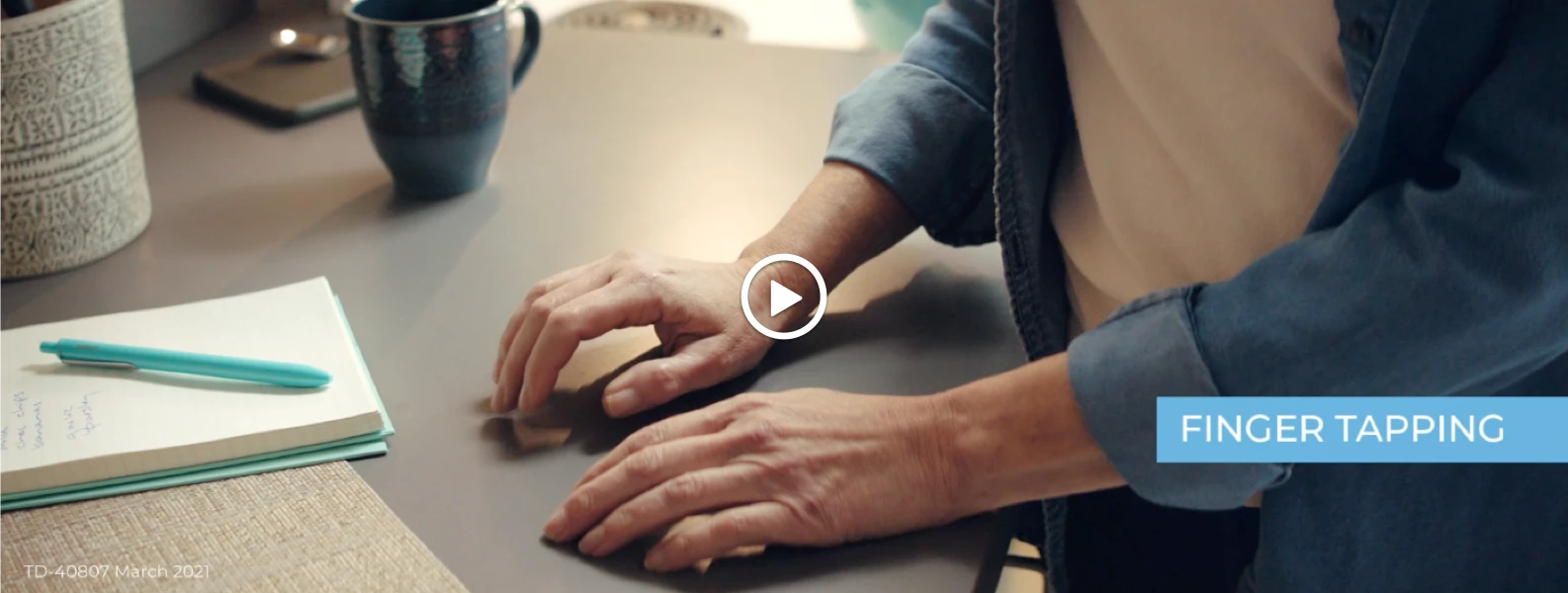


See the symptoms
No matter where you are with
treatment or diagnosis, we can
help you get the conversation
going with your healthcare provider.
Get patient support, treatment information, and downloadable
resources to start and stay on treatment with AUSTEDO XR.
Get more information about what to expect if you decide to treat
with AUSTEDO XR.
TD can be a struggle both physically and emotionally. Uncontrollable movements can make it difficult to perform everyday tasks and activities, and the emotional impacts can be just as burdensome.
In a recent study, many adults diagnosed with TD reported that it impacted their life, even if movements were mild. Movements of any severity can cause embarrassment and increased anxiety in social settings, which can lead to withdrawal and isolation. Emotional impacts like these are a valid reason to talk to a healthcare provider about treatment to reduce TD movements.
No clinical trials have been conducted to suggest treating TD affects these outcomes.

Now Playing:
Rachel's story
Hear Rachel, a real person living with TD, share her journey.
Video Transcript:
Hi, I'm Rachel. I'm a grandma and a mother. When I was 18, I was diagnosed with schizophrenia. I really didn't have a big, base for, you know, people in my family that understood about schizophrenia and knew about schizophrenia. I just knew that I was sick, and I would spend months in the hospital, and it just went on for years. I went to the doctor, and she prescribed me medication and the medication that she prescribed me, I was on for like, 16 years. I ended up getting drug induced tardive dyskinesia. I didn't know from taking a medication that I could get a disease.
I went to the doctor, and I pleaded with her. I told her, please listen to me. Something's going on with me. My hands are shaking. You know, at that point, my hands were like this. My head was bobbling around like this. I lost the feeling in my legs. My legs wouldn't hold my body anymore, and it just got so bad. I noticed it first in my hands and then and then I started getting very upset when it started going to my face. My tongue was like this. All day, my tongue just kept sticking out of my mouth, sticking out of my mouth. For the longest time, I didn't want to go outside. I was too ashamed to go outside. I was too ashamed to talk to people and be around people because of the movements. They were so embarrassing. That really hurt my feelings was the cruel, cruelness people had towards me, with making fun of me. They had problems with me. Why are you talking like that? You sound drunk. Why? Why is your tongue sticking out? Why are you walking like that? And then they sent me to another doctor. And he noticed that I had the tardive dyskinesia. When I was diagnosed with the tardive dyskinesia, I was devastated. It finally gave a name to something that I didn't know that could possibly happen to me from taking medication that I was prescribed.
When I started taking the AUSTEDO, I started noticing first my hands started smoothing out where they weren't tapping so much. My fingers weren't tapping so much, and then they started just going straight. They just leveled out. Then I noticed that my mouth movements, my tongue started to stay in my mouth more. My doctor was able to find the right dosage for me of the…the XR. The AUSTEDO XR reduced my movements. AUSTEDO lessened my movements so much, that I was just stunned and…and I couldn't believe it. It made me feel so wonderful. It made me feel fulfilled. It made me feel…it made me feel that there's…there's hope.
With the relief from AUSTEDO that I get, I can now play with my grandkids. I can make bracelets with my beadwork. I can do my woodwork. I can go and play with my kids. I can go for walks now. With less TD movements, I'm able to do more things now. It just took everything and turned it around and made me be able to be alongside of people again. Now I can hold my own cup. I can brush my teeth. I can clean the house. I can drive again. I can do things that I couldn't do. The AUSTEDO XR has made a difference in my life because it's allowed me to cope without shaking around. My hands and my face and my legs. It's important to know about my story because there's so many people out there that have it and they're ashamed. You know, TD is not your fault. You can do something about it like I did. You can ask your doctor for medication. I would tell somebody that had uncontrollable movements to go and get checked out for tardive dyskinesia to see if they need to have AUSTEDO XR for their medications. And now, now, because of the AUSTEDO, I'm…I'm back…back, I'm back, baby, I'm back.
AUSTEDO XR is a prescription medicine used to treat tardive dyskinesia in adults. AUSTEDO XR can cause depression, suicidal thoughts, or actions in patients with Huntington's disease. Pay close attention to and call your doctor if you become depressed, have sudden changes in mood, or have suicidal thoughts. Don't take if you have liver problems, are taking reserpine, tetrabenazine, or valbenazine. AUSTEDO XR may cause irregular or fast heartbeat, or abnormal movements. Seek help for fever, stiff muscles, problems thinking, or sweating. Common side effects include inflammation of the nose and throat, insomnia, and sleepiness.
Now Playing:
Charlene’s story
with Dr Ojha
Hear from Charlene and her healthcare provider as they openly discuss Charlene's journey living with TD, from onset to treatment with AUSTEDO.
Video transcript:
When you have TD, your life changes. A doctor had put me on some medicine, and he didn't tell me what the side effects were, and TD was a side effect. Okay, so now what do I do?
The first time I saw Charlene, I saw her movements and I brought it up to her. Nobody discussed these movements with her before.
When I first started seeing my doctor, Doctor Ojha, I came from a different doctor and, she noticed TD right away and started treating me right away.
I was able to discuss with her treatment option that was available to control those symptoms. I saw that she had classic diagnosis of tardive dyskinesia. And when I offered the medication to her, she was in agreement to try AUSTEDO.
AUSTEDO XR® is a prescription medicine used to treat tardive dyskinesia in adults.
Within four weeks, it was working
I decided to track her progress before and after starting the AUSTEDO.
When I was not taking AUSTEDO, my mouth would twitch. My hands would twitch. I had a dog and I'd go to put him on his leash and my hands were twitch and I’d dropped the leash.
My toes would twitch. I had a hard time walking the dog. Try walking when you're moving your toes around, it's not that easy.
You don't realize how much you use your hands until you can't use them very good.
I couldn't do things. Simple tasks
She did not recognize that as a diagnosis of tardive dyskinesia. But I could see her facial movements, her legs tapping, her fingers, it was very difficult to watch.
When I was put on AUSTEDO, I could leash my dog. He loved it. I could cook, I could eat.
Five years later, she is confident. I mean, I see her walking her dog all the time outside my office.
I've been on AUSTEDO for five years, and there are things I can do now that I had a lot of trouble with doing
It feels so wonderful to see Charlene doing so much better.
I can do what anyone else can do.
Charlene's movements are visible by your own eyes. I was able to track that in the videos that I took from my phone. She is not moving her mouth, her jaw, and she's not tapping her feet like she used to.
I went to Las Vegas. Oh, that was fun. I never thought I'd do something like that.
I went on an airplane and I handled it.
Long-term stability of the movement disorder has definitely helped with the everyday living for Charlene.
You can be on it for a long term and not have to fight the twitching all your life.
I will stay on the AUSTEDO.
AUSTEDO XR® can cause depression, suicidal thoughts, or actions in patients with Huntington's disease. Pay close attention to and call your doctor if you become depressed, have sudden changes in mood, or have suicidal thoughts. Don't take if you have liver problems, are taking reserpine, tetrabenazine, or valbenazine. AUSTEDO XR may cause irregular or fast heartbeat, or abnormal movements. Seek help for fever, stiff muscles, problems thinking, or sweating. Common side effects include inflammation of the nose and throat, insomnia, and sleepiness.
Uncontrollable TD movements shouldn't change your life.
Ask your doctor if AUSTEDO XR could help manage TD.
Some people with TD recall not noticing their
movements until
family members
pointed them out.
Whether you’re ready to talk to your healthcare provider about uncontrollable movements or still trying to figure out what to say, we have an Appointment Preparation Guide to help you
start the conversation.
The information on this site is intended for healthcare professionals in the United States. Are you a healthcare professional in the United States?